Understanding Calories: Input, Output and What Really Matters
A scientific explanation of energy balance and how calories work in your body
Educational content: This article explains nutrition science. It is not personal advice or medical guidance. Consult qualified professionals about your individual health.
What is a Calorie?
A calorie is a unit of energy. Specifically, one calorie (or kilocalorie, abbreviated kcal) is the amount of energy needed to heat one kilogram of water by one degree Celsius. In nutrition, when we refer to "calories," we're measuring the energy content of food.
Your body requires energy—measured in calories—to perform every function: breathing, heartbeat, digestion, thinking, moving, maintaining body temperature, and healing. These energy needs exist whether you're at rest or active.
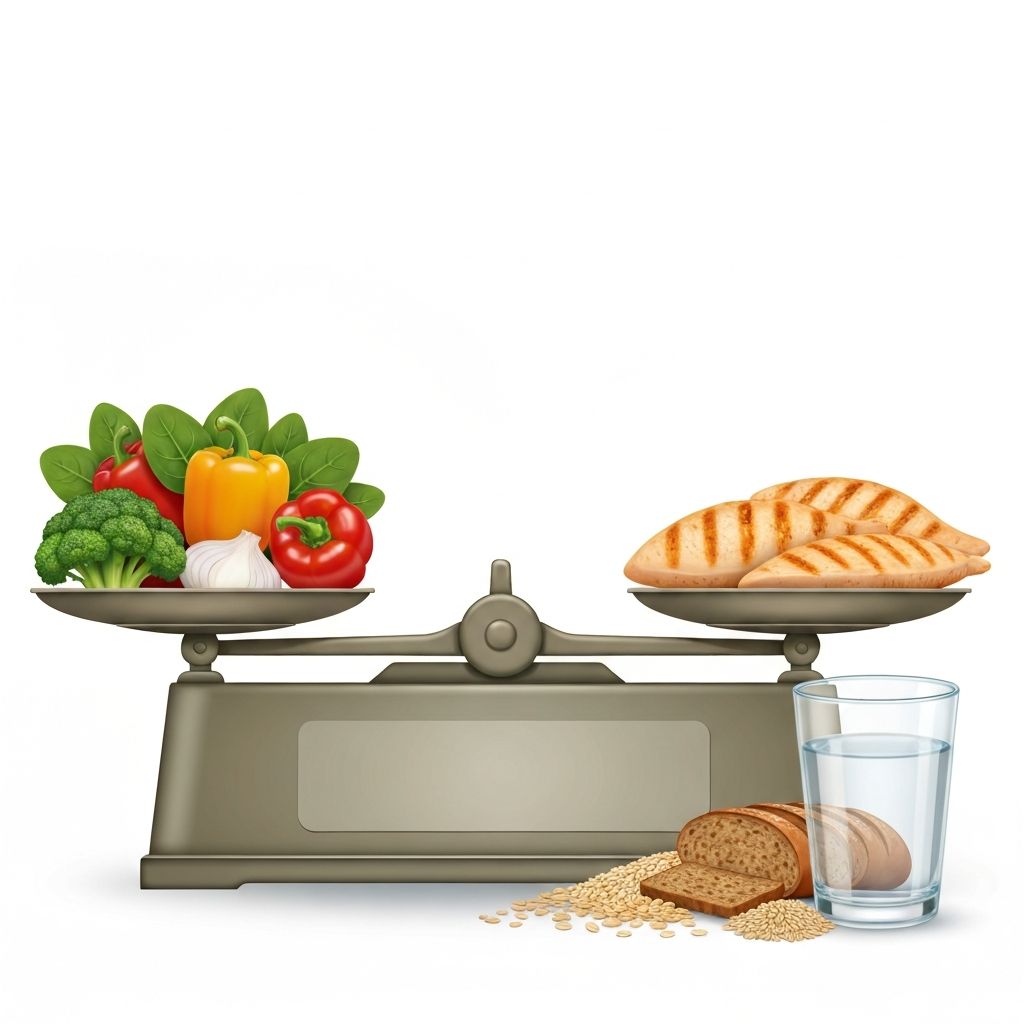
Energy Balance Fundamentals
Your body's weight changes relate to energy balance—the relationship between energy consumed and energy expended:
- Caloric intake: Energy from food and beverages you consume
- Energy expenditure: Energy your body uses for metabolism, activity, and digestion
- Energy balance: The net difference between these two
When caloric intake exceeds expenditure, your body stores the extra energy as fat and other tissues, typically resulting in weight gain. When expenditure exceeds intake, your body draws on stored energy reserves, typically resulting in weight loss. When they're balanced, weight tends to remain stable.
Factors Influencing Energy Expenditure
Total energy expenditure includes three main components:
Basal Metabolic Rate (BMR)
The energy your body uses at rest for essential functions—about 60-75% of total daily energy expenditure for most people. BMR is influenced by age, sex, body composition, genetics, and health status.
Thermic Effect of Food
Energy used to digest, absorb, and process nutrients—approximately 10% of total expenditure. Different macronutrients require different amounts of energy to process.
Physical Activity & Movement
Energy expended during intentional exercise and everyday movement. This varies greatly based on occupation, lifestyle, and exercise habits and typically accounts for 15-30% of daily expenditure.
Are All Calories Equivalent?
While calories measure energy content, foods with identical calorie amounts can have different effects on your body:
- Satiety: Some foods keep you feeling full longer than others, affecting how much you eat
- Nutrient density: Different calorie sources provide different vitamins, minerals, and fiber
- Metabolic effects: Your body processes proteins, carbohydrates, and fats differently
- Insulin response: Different foods trigger different hormonal responses
This is why both the total energy content and the composition of what you eat matter for health and satiety, even though energy balance determines weight change.
Body Composition Complexity
Weight change doesn't immediately tell you about changes in fat, muscle, or water. Various factors influence daily weight fluctuations:
- Water retention and hydration status
- Digestive tract contents
- Hormonal cycles in people with menstrual cycles
- Sodium and carbohydrate intake
- Exercise-related inflammation
Weight is a useful metric over longer time periods, but daily fluctuations don't necessarily reflect changes in body fat or muscle.
Individual Variation
Energy needs vary significantly between individuals based on:
- Genetics and metabolic differences
- Age and sex
- Body composition (muscle tissue burns more energy than fat tissue)
- Activity level and occupation
- Health status and medications
- Adaptive thermogenesis (metabolic adaptation to sustained caloric restriction or surplus)
This is why the same calorie intake produces different results in different people, and why "one size fits all" approaches to nutrition have limited effectiveness.
Summary
Calories are a measure of energy. Your body weight changes relate to energy balance over time. Understanding this foundation helps explain how nutrition and activity interact, though individual circumstances, food composition, and personal variation all play important roles in real-world nutrition and health.
Important: This explanation of nutrition science is educational. For guidance about your personal health, consult a qualified healthcare professional or registered dietitian.